

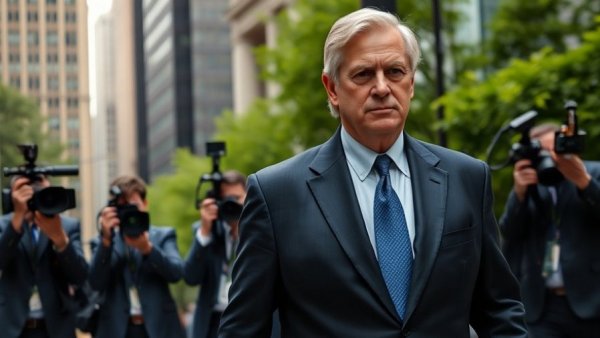
The Storm Over Trump’s Legal Battles
As the 2024 presidential election nears, legal clouds loom outrageously over Donald Trump's circle, especially concerning hush money payments linked to adult film star Stormy Daniels. The latest revelations involve Boris Epshteyn, a senior counsel to Trump, whose comments have been described as indicative of 'mob talk' and potentially revealing a system of 'flat-out extortion.' These words don't just signify potential legal jeopardy but evoke a matrix of past assemblies marred by allegations and accusations. With many potential voters closely watching these developments, the stakes appear to be rising not just for Trump but for the entire political landscape.
Understanding the Implications of 'Mob Talk'
The concept of 'mob talk' suggests a cryptic and potentially illicit form of negotiation, placing Epshteyn in a precarious position. An ex-prosecutor has underscored how such conversations could serve to unravel extensive layers of corruption within Trump's administration, indicating that these discussions might not only relate to Epshteyn's legal troubles but also cast a light on wider unethical practices that could permeate the highest levels of government. Delving deeper into the implications of this rhetoric brings to mind the historical context of political corruption in America, where political dynasties have often operated in gray areas, blurring the lines between politics and criminality. As this situation develops, observers are bound to analyze the implications not only for Epshteyn but for Trump's supporters and adversaries alike. It raises serious concerns around the legal repercussions of such rhetoric and what it portends for the integrity of the electoral process.
Political Ramifications and the 2024 Presidential Landscape
With election season heating up, the scandal surrounding Epshteyn and Trump could galvanize voters. The potential perception that the Trump administration indulges in corrupt dealings could alienate crucial voter demographics, particularly those leaning liberal. Political analysts theorize that each revelation could impact Trump's campaign viability, further complicating his narrative of outsider versus insider politics. These complications have the potential to influence swing voters who prize ethical governance and accountability, further fracturing his base.
Interestingly, the narrative of law and order, once a cornerstone of Trump's messaging, faces a significant challenge when allegations of corruption are central to his inner circle. The contradiction between promoting strict governance while entangled in legal problems presents a unique paradox, which could become a focal point in debates and campaign ads. Should these allegations resonate with the public as credible, Trump's positioning might shift, leading voters to seek alternatives that emphasize integrity.
A Close Look at Government Accountability
Mistrust in government institutions seems to latch tightly onto Trump's legal troubles. Critics extensively argue that accountability must be enforced if the justice system fails to deter similar behavior going forward in any party. This urgency is underscored by historical patterns where political scandals often lead to calls for reform, yet substantive changes may take considerable public pressure to implement. The intersection of law and politics is critical, with many insisting it’s time for systemic changes to bolster transparency. Non-partisan advocates for civil rights argue that this kind of dissonance only hampers the public's faith in their democracy.
In this environment, the role of media and communication becomes essential. Investigative journalism has the power to unearth truths that may seem hidden beneath layers of bureaucracy and miscommunication. As more details emerge regarding Trump's legal challenges, the media landscape can shape public perception and response. Thus, the continuation of an informed electorate is crucial as citizens navigate complex political narratives.
Broader Social Implications and Public Interest
As the public digests the unfolding events, one begins to wonder what empathy for the government amid such chaos will look like in practice. From flat-out pop culture icons like Bad Bunny becoming political symbols to national sports events influencing viewpoints, the societal conversation is in flux. The Super Bowl, for example, is frequently viewed as an atmospheric pulse where political narratives unwittingly weave through popular culture, shaping how issues are perceived among audiences across the board.
Furthermore, the emotional landscape surrounding these discussions is complex. Many citizens feel deeply disenchanted by the perceived collusion between political figures and criminal enterprises, leading them to question the very essence of democracy and governance. The events surrounding Epshteyn and Trump serve as a reminder that democratic processes must be safeguarded from corruption at all costs, prompting a wave of activism aimed at holding politicians accountable. This could manifest in various forms, including protests, civic engagement campaigns, and grassroots activism fueled by the urgency for reform.
Community Response and Citizen Engagement
In light of the unfolding situation, grassroots movements are gaining momentum, mobilizing citizens to call for greater transparency in political processes. Organizations advocating for reform are stepping up efforts to educate voters about the importance of accountability in government. Social media platforms have become arenas for discussion, where people express their discontent with the status quo and share information about how they can participate in the upcoming elections and subsequent reforms.
This collective mobilization highlights a growing awareness among the public about their civic duties. Community forums, town hall meetings, and online discussions provide platforms for individuals to voice their opinions and concerns. Engaging in such conversations is vital in fostering a political culture that values openness and honesty. As the 2024 elections approach, the active involvement of citizens will play a crucial role in shaping the political landscape. The hope is that citizens channel their frustrations into productive discussions and actions that advocate for a governance system reflective of the people’s will.
Conclusion: Call for Vigilance and Engagement
In conclusion, as these discussions unfold domestically and globally, they necessitate awareness, vigilance, and engagement. This situation calls for communities to reassess their sense of responsibility toward governmental transparency and accountability. The controversies surrounding Epshteyn and the wider implications of 'mob talk' remind us all of the importance of remaining informed and active participants in the democratic process. It is only through such commitment that the public can hope to ensure that the values of justice, integrity, and fairness are upheld in their political system. Ultimately, the willingness of citizens to stay engaged will define the path forward, proving that active participation is a cornerstone of a thriving democracy.





Write A Comment