

Democrats' New Chapter: Navigating Post-Midterm Plans
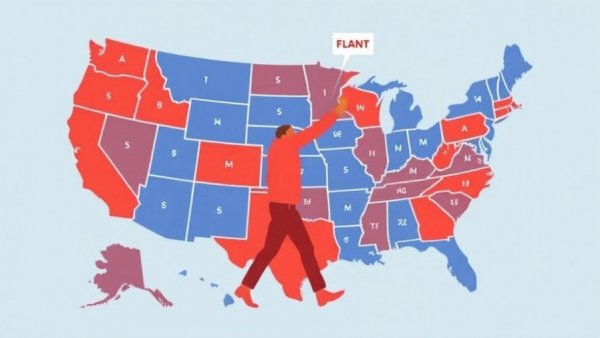
With the midterm elections bringing unexpected victories for Democrats, they now stand at the forefront of a new political landscape. The party has regained control of Congress, marking a pivotal moment as they prepare to address key issues that voters prioritize, including economic reform and healthcare. Not only did they perform well in traditionally red districts, but they also gained their largest Senate majority since the Obama era. Alaskan and Mississippi Senate races remain undecided, potentially allowing Democrats to solidify a 54-seat majority with the support of independent caucus members. This newfound power presents an opportunity for Democrats to shape legislation that aligns with their constituents’ interests.
Striking Changes in Congressional Dynamics
The recent outcomes echoed the historical shifts seen during the Watergate scandal, indicating a significant backlash against the Republican party. This trend was particularly noted in districts comprising voters who had previously backed Trump. For instance, Teresa Benitez-Thompson’s win in Nevada's 2nd District and Shomari Figures’ surprising victory in Alabama's 2nd District demonstrate a radical shift in voter sentiment. These wins underscore that Democrats are making inroads in areas that were once considered strongholds for the GOP. With such key victories, the Democrats face heightened expectations to deliver on their promises to lower costs and address corruption. The political momentum is now in their favor, allowing them to focus on a broader agenda that reflects the changing demographics and priorities of the electorate.
Facing Challenges: The Legislative Road Ahead
As Democrats prepare to take action in the new Congress, they confront the reality that significant legislation will require bipartisan support in the Senate—dominating debates over critical issues like healthcare subsidies and foreign policy decisions. Current discussions hint at favorable moves to restore the Affordable Care Act (ACA) health subsidies and tackle Medicaid cuts, while also asserting new controls over tariffs, especially as inflation continues to impact everyday Americans.
Moreover, as Democrats look to introduce meaningful reforms, they will need to keep an eye on ongoing economic pressures. Rising prices and a potential recession looms large for many households, and Democrats must be prepared to respond with appropriate strategies. This means possibly focusing on job creation, sustainable economic growth, and targeted assistance for low-income families. Crafting a cohesive economic policy that resonates with constituents while effectively addressing inflation will be among their most pressing challenges.
Insights from Political Analysts
Political analysts reflect on how the results of the midterms have intensified pressure on Democrats. Many voters expressed their desire for change, believing that a Democratic majority should translate into meaningful policies. This sentiment resonates loud and clear in the halls of Congress. Sounds like a reiteration of the party's long-term objectives includes revitalizing the economy and expanding access to healthcare. Analysts warn, however, that the looming threat of Trump's veto power can stymie major legislative efforts, leaving Democrats to navigate a labyrinth of partisan agendas.
Another consideration is the role of grassroots movements and local organizations that played a pivotal role in mobilizing voter turnout. Democrats will likely need to harness this energy and momentum to sustain their political gains. Engaging with community leaders and local activists can build trust and ensure that the party's policies reflect the needs and aspirations of its base.
The Trump Factor: Rallying or Railing?
Trump's reaction to the election results has added fuel to the fire of his ongoing influence within the Republican party. Even though he distanced himself from direct accountability for the losses, he remains a central figure shaping voter perceptions and party strategies. His proposals on tariffs and the conflict in Iran resonate with many, yet they also tie him to economic concerns—an undeniable weight for Democrats as they craft their narrative moving forward.
As Trump continues to assert his influence, Democratic leaders will need to counter his narrative, making clear distinctions between their policies and the direction proposed by the former president. This could involve promoting economic stability and emphasizing bipartisan initiatives while dismantling certain narratives surrounding Trump’s policies. The perception of Trump's unpopularity in some swing districts can further be an advantage for Democrats as they frame their post-midterm agenda.
Perspectives and Predictions for the Future
As Democrats consolidate power, engaging their base while managing expectations will be crucial. Analysts suggest upcoming months will reveal how adept the party is at executing their plans without alienating moderate voters. A delicate balance of progressive ideals and pragmatic governance would likely be the best course to unify the party. Whether they can transform their newfound authority into real change will strongly influence the political climate heading into the next presidential election.
Furthermore, the party's ability to respond swiftly to constituent feedback and adjust its priorities in real time will be paramount. They must remain vigilant, adapting their strategies based on public response to their initial legislative actions, as was evidenced by the rapidly shifting sentiments during the midterms.
Conclusion: What Lies Ahead for Democrats
As Democrats embark on this new legislative journey, their ability to act decisively and fulfill campaign promises could not be more critical. Engaging with constituents, salvaging bipartisan initiatives, and responding to pressing issues will define their success in the coming years. In a political environment marked by division, the challenge lies not only in pushing through their agenda but also in uniting the party around common goals.
Will they rise to the challenge and ensure meaningful progress, or will they struggle to push an agenda in a polarized environment? The next chapter in American politics is unfolding, and all eyes will be on the Democrats as they strive to navigate this complex landscape, aiming for substantial reforms while holding onto the trust of voters who propelled them into power.





Write A Comment