
A Moment That Could Change Flight Safety
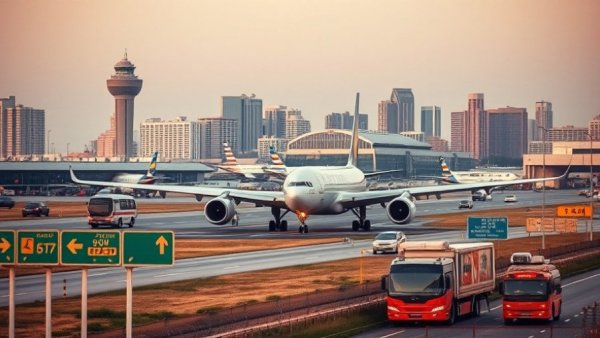
The recent incident involving a Kalitta Air plane at Chicago O'Hare International Airport, resulting in a nationwide ground stop due to serious air traffic control communication issues, sheds light on a critical issue affecting aviation safety. This event, occurring on November 13, 2026, highlighted not only the immediate risks involved but also the ongoing consequences of decade-long political decisions impacting regulatory oversight. As people eagerly await the outcome of this situation, it is important to consider the implications not just for travelers but for the integrity of the aviation system as a whole. Navigating through airspace is a complex endeavor, governed by various regulations designed to protect passengers and crew; when these systems fail, it calls into question the safety net we have come to rely upon.
How Political Maneuvering Impacted Aviation Standards
For many years, decisions made by political leaders, particularly from the GOP, have set the stage for diminished regulatory oversight. The erosion of essential safety measures can often be traced back to decades of lobbying by major corporations, which prioritized profit over public safety. This incident raises critical questions about the influence of political power on aviation safety regulations and how the neglect of these regulations can lead to dangerous circumstances. As significant investments pour into the aviation industry, the resulting focus shifts away from maintaining stringent safety protocols. The recent episode serves as a stark reminder that when financial interests supersede safety concerns, the consequences can be dire, affecting not only those who fly but also those on the ground.
The Broader Impact on Society
Such incidents not only endanger lives but also diminish public trust in governmental oversight — an ever-growing concern. As citizens, we must regard these moments not just as isolated incidents but as reflections of how policy decisions affect our everyday lives, particularly in areas like transportation. Trust in aviation, a cornerstone of modern mobility, is built on the assurance that systems are in place to protect us. Addressing these failures is vital to restoring faith in critical infrastructure management and safety measures, and it requires a collective response from the public.
What This Incident Means for Future Regulations
In the aftermath of this grounding, expect an intense call for reform. Advocates for stricter regulations on aviation safety are likely to gain momentum, as the public becomes more aware of how political decisions have led to insufficient safety protocols. This surge for reform might unsettle the current balance of power within the airline industry, forcing companies to prioritize safety over profit margins. Activist organizations and concerned citizens may begin to collaborate in demanding accountability, pushing for more transparent procedures in regulatory agencies.
Reconnecting with Our Values of Accountability
As the dust settles on this incident, it is crucial for citizens to demand accountability from their leaders. The history of leniency towards corporations has created a significant gap in the accountability that these organizations face. Civic engagement through letters, protests, and voting holds the potential to push for legislative changes that restore oversight and ensure the health of the aviation industry. When people mobilize to advocate for their rights and safety, they affirm that public welfare should be at the forefront of legislative agendas.
Additionally, this situation comes at a time when many major events are taking place, similar to the excitement surrounding the Super Bowl. These gatherings illustrate how pivotal effective communication and safety measures are, both on the ground and while airborne. Much like the hits and misses in the cultural arena, the discrepancies in flight safety regulations also capture attention, provoking urgent discussions regarding standards. The public's response to these incidents can shape future policies, creating an atmosphere of accountability that the aviation industry desperately needs.
Common Misconceptions About Aviation Safety Reform
Many believe that aviation safety is uncompromisingly strict and that incidents like the recent one are rare. However, this viewpoint underestimates the influence of old policies that continue to impact flight operations. Awareness and education can combat these misconceptions, as well-informed citizens will more effectively advocate for change. The safety protocols currently in place are the result of years of dedicated effort, yet complacency can lead to backtracking. Understanding the history of aviation regulation helps illuminate the ongoing struggle between corporate interests and public safety priorities.
The Role of the Media in Shaping Perceptions
The media plays an invaluable role in shaping public perception about incidents like these. Investigative reporting can uncover details that prompt further inquiry into those in power and engage the populace in crucial conversations surrounding public safety. Journalists like Thom Hartmann shed vital light on these subjects, making it possible for readers to grasp the far-reaching implications of political negligence. In an age where misinformation can easily distort reality, credible journalism serves as a safeguard for democracy, ensuring that the public remains informed about the challenges facing essential services like aviation.
Engagement Holds the Key to Reform
The incident with Trump’s plane serves as a rallying cry for those uneasy with the status quo. Policy reforms can only come through an active and informed citizenry. Advocates for change must unite to push for transparency and accountability, ensuring that future regulations are stringent enough to prevent such crises from happening again. Redefining our approach to safety and governance begins with engagement at the community level. Grassroots movements have historically played a crucial role in pushing for necessary reforms, often holding elected officials accountable for their actions.
It is essential to familiarize ourselves with these issues and to mobilize for action. Join community forums, contact your representatives, and educate yourself on aviation safety regulations. Only through collective action can we hope to revitalize our commitment to safety, integrity, and responsible governance. The more we educate ourselves and engage in dialogue about the intersection of policy and public safety, the better equipped we will be to advocate for a future where incidents like the one involving the Kalitta Air plane are seen as unacceptable and preventable.




Write A Comment