


Trump's Press Conference: A Turning Point or A Teetering Line?
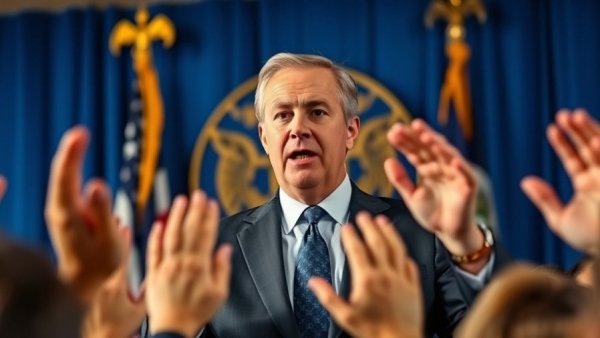
In a press conference filled with derivative remarks and grand yet vague claims, President Trump offered a recap of his recent trip to Asia—a journey marked by unprecedented diplomatic meetings with Chinese President Xi Jinping and Russian President Vladimir Putin. Observers noted the absence of significant agreements on crucial global matters, revealing a tension between Trump's 'America First' rhetoric and the complex, interdependent reality of global politics.
Behind the Diplomatic Veil: Assessing the Real Outcomes
During his address, Trump spoke of entering his Asia trip from a position of 'unmatched economic and diplomatic strength.' However, questions linger on whether this assertion holds any water when juxtaposed with the lack of substantial agreements reached during these high-stakes meetings. His comments gave a nod to the notion of imposing 'guardrails' around artificial intelligence collaborations with Xi, a departure from his earlier preference for unregulated U.S. dominance in technology.
The AI Dilemma: Promises Versus Practicalities
Trump's intriguing shift towards discussing guardrails for AI—what he termed 'super intelligence'—comes after years of asserting that any restrictions would diminish American innovation. Such contradictions raise eyebrows among critics and supporters alike. While claiming to want America to dominate the AI landscape, Trump simultaneously approved the sale of advanced chips to Chinese tech giants, including those linked to military operations. These conflicting directives challenge the consistency of his strategy and mandate clarity in a rapidly evolving tech sector.
Cybersecurity Under Fire: A New Era of Accountability
The press conference also shed light on leadership changes within the cybersecurity domain, with Trump announcing the firing of Sean Carncross, a move he justified by claiming, 'I don’t think that person was good enough.' This decision reflects an aim to reshape the nation's cybersecurity strategy. Activists are eager to see whether a leadership change will bring more robust protections for American data and privacy rights against foreign threats.
What This Means for American Democracy
The themes of Trump's press conference reverberate beyond international diplomacy; they speak volumes about the struggles of democracy today. In a climate where authoritarianism seems to lurk at every corner of U.S. politics, the future of American leadership on the global stage begs critical questions. How will this administration handle its diplomatic posture while maintaining domestic accountability? And, ultimately, what role will citizen activism play in shaping governmental accountability within increasingly authoritarian structures?
For those interested in standing up for democracy and advocating against authoritarian tendencies, staying informed and engaged is vital. Are you ready to learn more about organizing protests or joining local movements defending civil liberties? Visit community platforms and activist networks in your area to find out how you can make your voice heard.




Write A Comment