

Trump’s Campaign Promises Under Scrutiny
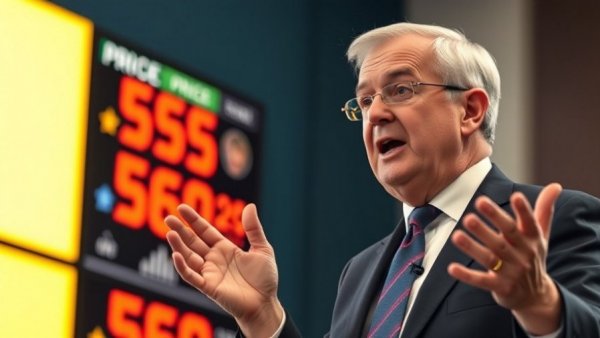
At a recent rally in Perry, Georgia, U.S. President Donald Trump’s unwavering confidence was palpable, but beneath the surface, many observers have begun calling into question his much-touted campaign promises. Known for his mercurial leadership style and bold declarations, Trump often refers to himself as 'Mr. Veto', suggesting he is unafraid to reject policies that don’t align with his agenda. However, critics are quick to point out that some of his key pledges may be nothing more than bluster.
Examining the Veto Power
Trump’s veto authority is one of the fundamental powers bestowed upon the President, allowing him to check the legislative body. While he has used it strategically in the past, recent actions have raised eyebrows. A report from the Congressional Research Service indicates that Trump has exercised his veto less frequently than past presidents, leading some to speculate that he may be more interested in maintaining his public image than in pursuing a cohesive policy platform. This inconsistency prompts the question: What does 'Mr. Veto' truly stand for?
His limited use of the veto could suggest that he is choosing to avoid confrontation with Congress, perhaps out of fear that vetoing significant legislation might alienate potential voters or provoke backlash from political adversaries. As the nation heads into critical elections, gauging how Trump navigates this powerful tool could reveal much about his governance style and political strategy moving forward.
Connecting to Current Events
In light of this ongoing narrative, recent events—including the Super Bowl—have also drawn attention. Trump’s rally speeches often reference culturally significant moments to galvanize his base. He tries to connect with voters through pop culture, using popular figures like artists Bad Bunny to position himself as a politician who understands the zeitgeist. Yet, this approach raises eyebrows as he conveniently ignores pressing legal implications surrounding his administration's policies.
This dissonance between celebrity culture and serious governance makes it clear that political engagement today is multidimensional, shaped not just by policies but also by public perception and cultural trends. The effectiveness of his rhetorical strategies remains to be seen, especially as more Americans express a yearning for integrity and substantial policy discussions rather than mere flashy soundbites.
Legal Accountability and Public Perception
Call it a political paradox, but with calls for greater accountability growing louder—particularly from advocates of civil rights—some are questioning whether Trump’s appeals will continue to hold sway with the electorate moving forward. Concerns surrounding his immigration policies and aggressive tactics employed by agencies like ICE have sparked significant public backlash. This suggests a potential shift in voter sentiment that could ultimately impact the upcoming elections.
Voter dissatisfaction is palpable, especially in regions heavily affected by controversial policies. The dialogue surrounding these topics is crucial, and it appears that Americans are increasingly empowered to demand explanations from their leaders. Thus, the challenge for Trump is not just about political maneuvering but also reconciling these conflicts with the expectations of an increasingly aware and engaged populace.
A Call for Honest Governance
As we navigate through 2026, it is crucial for both voters and political observers to demand honesty and transparency from their leaders. The blistering critiques of Trump’s promises serve as reminders that the electorate must hold their leaders accountable. Citizens have a role to play in bringing about a political landscape that demands more than mere rhetoric; they must seek out concrete actions and realistic commitments.
It is essential for voters to educate themselves on the implications of unchecked power. By recognizing the importance of credible commitments, citizens can foster a political environment that supports genuine accountability and reform. Grassroots activism, informed conversations, and community engagement can all play significant roles in this dynamic.
Concluding Thoughts
The landscape of American politics is dynamic, and as the campaign season heats up, voters are encouraged to scrutinize not just what politicians say but also what they do. Will Trump's self-proclaimed title of 'Mr. Veto' translate into meaningful governance, or is it simply a name grafted onto a reality filled with contradictions? Insights gleaned from past decisions, current events, and civil discourse can inform voters as they prepare for the ballots.
Engaging actively in this conversation is essential—as every vote matters in shaping the future of the nation. It’s imperative not only to listen to the promises made on the campaign trail but to critically assess their feasibility and alignment with the needs of the people. As voters, the time to ask tough questions and expect honest answers is now; the stakes are too high to leave unchecked promise and rhetoric unchallenged.



Write A Comment