

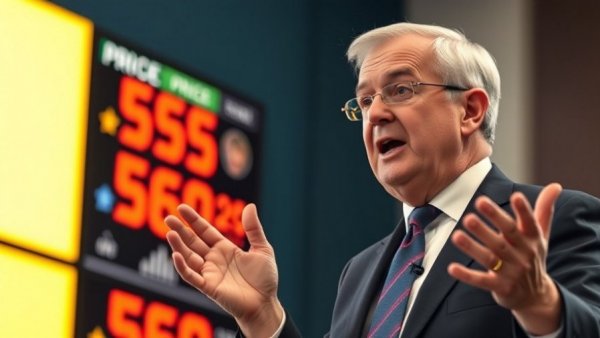
The Unraveling of Trump’s Political Mythology
After an electoral drubbing like the one suffered by the Republican Party in the midterms, it is perhaps unsurprising that Donald Trump would resort to conspiratorial explanations to shield himself from responsibility. Trump, a figure who has built his legacy on self-promotion and grandiose claims of success, finds himself in a position where he needs to deflect blame for a colossal party failure. This time, his outlandish suggestion that Big Oil conspired with Democrats to ensure his party's defeat informs not only about his tenuous grasp on reality but also about the broader implications for political discourse in America.
Big Oil, Democrats, and a Political Reckoning
Claiming that Big Oil collaborated with Democratic leaders to undermine his candidacy may sound implausible to many, but in the ever-polarizing context of today's politics, such claims can resonate with a specific audience. Trump's narrative serves to absolve himself and his party from internal failings, including alienating moderate voters and failing to address pivotal issues like inflation and climate change. In fact, according to multiple political analysts, these issues played a substantial role in the Democrats’ win.
Historical Perspectives on Electoral Blame Games
Trump's proclivity for blaming external factors for his defeats is not new in American politics. Historically, losing candidates have often resorted to accusations of fraud or conspiracy when faced with electoral setbacks. Consider the 2000 election, where Al Gore’s loss led to years of claims about Supreme Court injustice. However, Trump's approach, using ludicrous plots to justify failure, pushes the boundaries of political rhetoric and suggests a troubling trend in American political culture where accountability is cast aside for sensationalism.
Democracy at Risk: What This Means for the Future
This kind of rhetoric from a former president raises significant questions about the future of democratic norms in the United States. As populist movements gain traction, often fueled by discontent and misinformation, the integrity of elections hangs in the balance. Trump’s comments exemplify the weaponization of conspiracy theories—threatening the fabric of democratic discourse. This dependence on fabricating elaborate narratives signifies a growing authoritarianism within US politics.
Voices from the Ground: Reactions from Democratic Voters
Among those who voted in the midterms, the sentiment varies from disbelief to anger regarding Trump's claims. Many Democratic voters feel as though their voices matter now more than ever, especially as they witness political leaders downplay election integrity for self-preservation. Engagement in the democratic process, especially among young voters, has surged, reflecting a desire for accountability and transparent governance in the face of disinformation.
Empowering Activism: The Role of Protests
In light of the divisive aftermath of the election, peaceful protests have emerged as a crucial mechanism for civic engagement. Groups advocating for climate action, LGBTQ rights, and social justice have been particularly mobilized, demonstrating how grassroots activism can influence politicians and their decisions more than conspiracy theories ever could. Engaging in local and national protests empowers citizens to claim their stake in democracy and enact change beyond the ballot box.
The call for accountability is not just a partisan issue; it is a demand for a collective acknowledgment of responsibility among political leaders. Trump’s overt denial of electoral reality offers a stark contrast to the voices championing civil rights and democratic accountability. To join these crucial dialogues, consider participating in local protests or engaging in community activism that advocates for issues you care about.




Write A Comment