


Political Turmoil in Paraguay: The Fall of Santiago Peña
In a shocking turn of events, Paraguay's President Santiago Peña has been impeached and placed under house arrest, following the collapse of Ueno Bank, a significant U.S.-owned financial institution connected to the government. This crisis has not only shaken the government's stability but has also left millions of Paraguayans powerless, as over three million customers now face uncertainty regarding their financial security. The rapid developments in this case have caught the attention of not only local citizens but also international observers, highlighting the fragile state of democracy in the region.
The Collapse of Ueno Bank: What Went Wrong?
Ueno Bank, which had gained popularity for making banking accessible to a broad demographic, became a lifeline for many citizens. Its innovative cash-back rewards had encouraged more than a million people to open bank accounts for the first time, demonstrating the power of financial inclusion in a country where many had previously struggled to access banking services. However, as regulators discovered that the bank's solvency ratio failed to meet legal standards, the central bank intervened to seize control. The dramatic downfall of Ueno Bank serves as a stark reminder of the vulnerabilities that even well-regarded institutions can face in tumultuous political and economic climates. Many consumers now grapple with the emotional toll of losing their savings, further exacerbating the financial strife of an already vulnerable populace.
Public Response: Protests Erupt Across the Nation
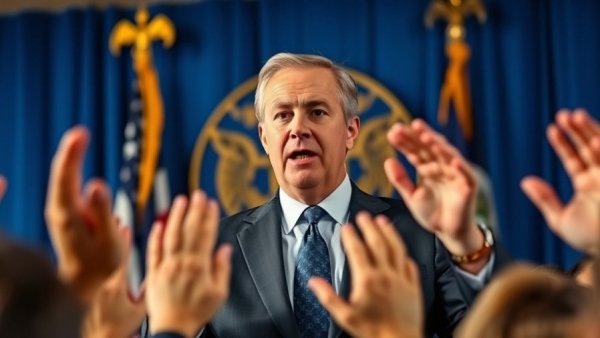
The implications of the bank's failure have ignited widespread protests in Asunción, the capital, as demonstrators expressed their fury over the government's handling of the banking crisis. The streets have been filled with members of various demographics, from young students demanding accountability to older citizens concerned about their retirement savings. Images of Peña being vilified by outraged citizens have dominated the media, showcasing the people's demand for accountability. "I want to apologize to the Paraguayan people if I have failed you," Peña lamented, reflecting the profound disconnect between the ruling elite and ordinary citizens. Public protests have manifested in a variety of forms, including marches through the streets, social media campaigns, and even art installations criticizing government actions.
Understanding the Impeachment Process: A Historical Context
This political upheaval is not Paraguay's first experience with presidential impeachment; it's reminiscent of the events surrounding former President Fernando Lugo, who was ousted in 2012 under similar circumstances. The impeachment procedure in Paraguay requires a two-thirds majority in the Senate, which Peña's administration faced after lawmakers accused him of malfeasance and breach of trust. The swift nature of these proceedings reflects deep-seated frustrations with political corruption and the perceived lack of accountability within public institutions. Understanding how these processes work is vital for citizens wishing to participate meaningfully in future political discourse.
Government Accountability: What Comes Next?
With Peña's impeachment now finalized, Vice President Pedro Alliana has stepped into the presidency and has committed to taking immediate action to compensate those who have lost money due to Ueno Bank's collapse. In his inaugural speech, he emphasized the necessity of rebuilding trust with the public after the crisis. Alliana’s ability to navigate the current political landscape will be scrutinized as many Paraguayans remain skeptical about further political reform. The government’s response will be critical in determining whether public trust can be restored, especially as citizens are increasingly vigilant about corruption and government mismanagement.
Future Predictions: The Impact on Paraguayan Politics
Going forward, the political landscape in Paraguay could shift significantly in response to this crisis. Alliana, who aims to stabilize the situation, will have to deal with a populace that is not only financially wounded but also politically charged. This scenario could lead to an influx of new political candidates and movements, reflecting the people's desire for change and accountability. If Alliana succeeds in empathizing with the common citizen's plight, he could spark a new era in Paraguayan politics, where public opinion plays a more definitive role in governance. Alternatively, failure to address these challenges could result in growing discontent and possibly pave the way for upheaval or political fragmentation.
A Call to Action: Engaging with Paraguayan Democracy
The events unfolding in Paraguay serve as a poignant reminder of the importance of government accountability and public representation. Citizens everywhere are encouraged to actively participate in their democracies, advocating for transparent governance and financial oversight. Paraguay's situation highlights the critical need for citizens to engage in political discourse, promote activism, and hold leaders accountable. As a response to the current crisis, grassroots organizations are advocating for stronger regulatory measures in the financial sector, aiming to ensure that such failures do not occur in the future. The potential for reforms and civic engagement could lead to a healthier political discourse in Paraguay and beyond.
Conclusion: A Nation at a Crossroads
As Paraguay navigates through these uncharted waters following the impeachment of President Peña, the resilience of its people will be crucial. The nation stands at a crossroads, where the actions taken today could shape the political, social, and economic landscape for generations to come. How the government addresses this crisis and restores public confidence will define its legacy and potentially ignite a renewed commitment to democratic principles in Paraguay.




Write A Comment